
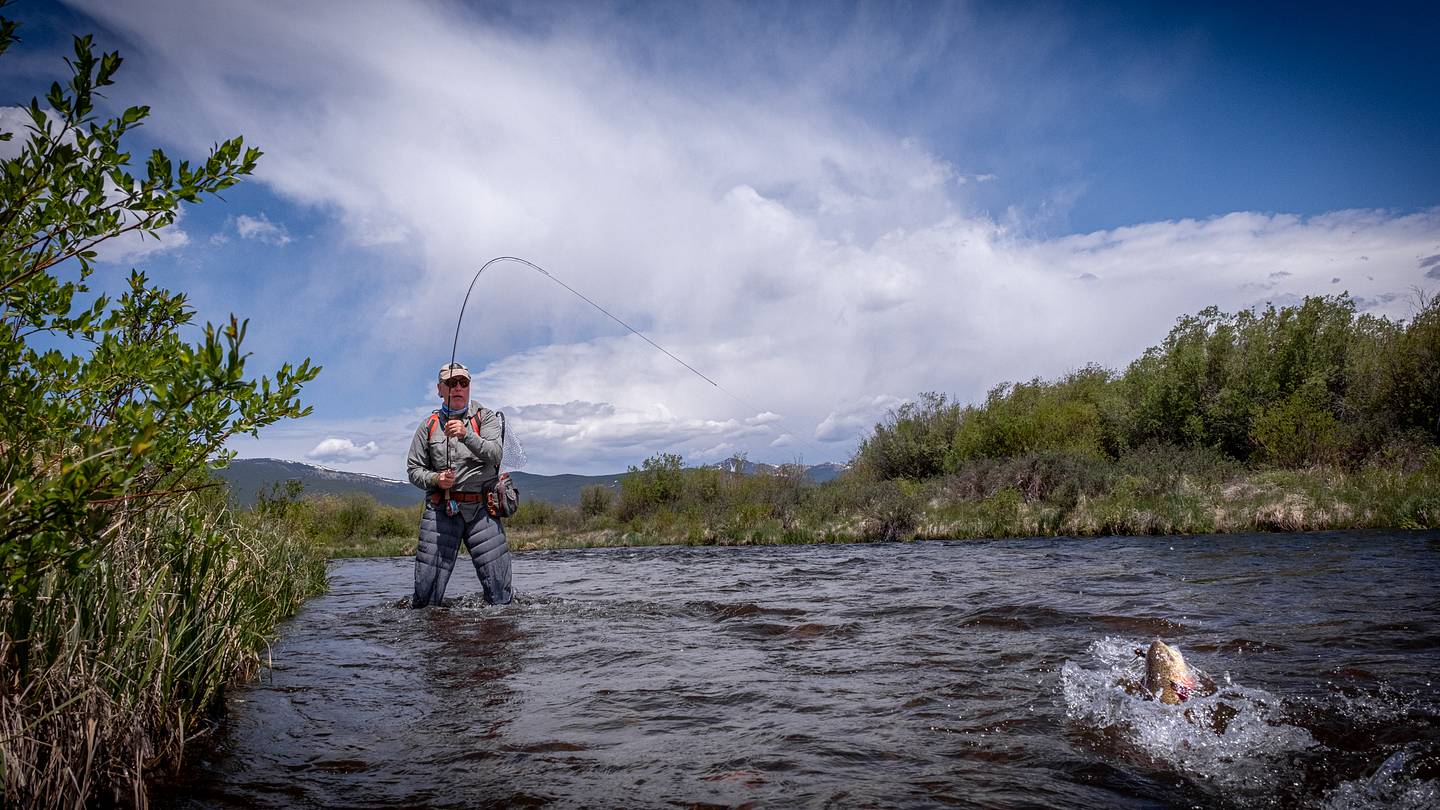
For many, the image of a perfect Colorado getaway involves pristine mountain air, golden aspens, and the rhythmic cast of a line over crystal-clear water. While the state offers a wealth of rivers and lakes, the waters surrounding Vail stand out as some of the most consistent and rewarding in the American West. Whether you are a seasoned angler looking to test your technical skills against selective trout or a beginner seeking a peaceful introduction to the sport, the opportunities in this region are unmatched.
Understanding the unique ecosystem of the central Rockies is essential for a successful day on the water. These are high-altitude environments where water temperatures, insect hatches, and seasonal runoff dictate the behavior of the fish. By timing your visit and understanding the local watersheds, you can tap into some of the most productive angling in the state.
Understanding the Local Watershed Dynamics
To find the best fly fishing near Vail, it is important to first understand the flow of the rivers. The Eagle River, which flows directly through the heart of the valley, is the primary artery for local fishing. It is a freestone river, meaning its flow and clarity are determined primarily by snowmelt and rainfall.
During the late spring and early summer, the snowmelt can create high, muddy water conditions that make fishing difficult. However, as the runoff subsides in mid-to-late June, the river clears and settles into a prime window for both nymphing and dry-fly fishing. The middle and lower sections of the Eagle offer diverse access points, ranging from wide, open runs where you can practice long-distance casts to tight, brushy pockets that require precision and patience.
The Role of Tributaries and Nearby Streams
Beyond the main stem of the river, several smaller creeks and high-mountain tributaries provide excellent opportunities for those looking to escape the crowds. These smaller streams are often home to wild brook and cutthroat trout, which may be smaller in size but are frequently more willing to rise to a dry fly than their counterparts in the larger rivers. Exploring these secondary waters is often the key to finding the best fly fishing near Vail during the peak of the tourist season, as these secluded spots offer solitude and a chance to experience the raw beauty of the high country.
Seasonal Strategies for Success
Success on the water in this region is almost entirely dependent on matching the hatch and adjusting your technique to the season. Colorado’s fishing calendar is defined by dramatic shifts in climate, and an angler who ignores these transitions will likely struggle.
- Spring: Focus on subsurface tactics. As the water begins to warm, midge and blue-winged olive hatches become the primary food source. Using small nymphs and emerger patterns is the most effective way to entice fish that are still conserving energy in the colder water.
- Summer: This is the prime time for dry-fly fishing. As terrestrial insects—like hoppers, ants, and beetles—become active, the trout move to the banks to look for a hearty meal. This is the period most anglers dream of, where the visual thrill of a surface strike becomes the highlight of the day.
- Fall: As temperatures drop, the fish begin to prepare for winter. They become more aggressive, feeding heavily on larger insects. This is an excellent time for streamer fishing, where you use larger, baitfish-imitating flies to target the larger, territorial trout hiding in deeper pools.
Essential Gear and Techniques for High-Altitude Angling
When preparing for Vail, Colorado fishing, gear selection should be governed by the size of the water you intend to fish. For the Eagle River and the nearby Colorado River, a 9-foot, 5-weight rod is the industry standard. This setup provides enough backbone to fight larger fish while remaining delicate enough to present a fly with accuracy.
If you plan to hike into the backcountry for alpine lakes or smaller headwater streams, a lighter 3-weight or 4-weight rod is often superior. The shorter length allows for easier casting in tight, tree-lined environments where a long rod would be a liability.
Mastering the Drift
Regardless of the rod you choose, the most critical skill is achieving a “drag-free drift.” Because mountain trout are conditioned to see various insects floating downstream, they are quick to reject a fly that is being pulled by the current at an unnatural speed. Using techniques like the reach cast or mending your line after the cast can keep your fly moving at the exact speed of the surface film, which is often the difference between a productive day and a frustrating one.
Ethical Practices and Conservation
The delicate balance of the high-altitude environment requires anglers to be responsible stewards of the land. Because many of these waters are susceptible to rising temperatures, fish can become stressed during the heat of the afternoon. Responsible anglers often practice “hoot-owl” fishing—hitting the water early in the morning and wrapping up by early afternoon when the water temperatures climb to dangerous levels for trout.
Furthermore, always check local regulations regarding catch-and-release and the use of barbless hooks. Protecting the spawning beds and minimizing the handling time of the fish ensures that the populations of rainbow, brown, and cutthroat trout remain healthy for future generations.
Accessing the Water
Public access is a hallmark of the region, but it is not universal. Much of the best fly fishing near Vail is located on public land, yet it is interspersed with private property. Always respect signage and property boundaries. Using map-based applications or visiting local outdoor shops can help you identify public access points and boat launches. These shops are not just retailers; they are hubs of information where you can get real-time reports on current insect hatches and which sections of the river are fishing best on a given day.
The Broader Experience
While the thrill of the catch is the primary draw, Vail, Colorado, fishing is about more than just the fish. It is an opportunity to observe the vibrant ecosystem of the central Rockies. You might find yourself casting in the shadow of a jagged peak while a bald eagle circles overhead or spotting a mule deer grazing on the riverbank.
The rhythm of the river—the constant motion of the current and the ever-changing light on the water—provides a rare form of mental clarity. For the local community and visitors alike, these rivers serve as a sanctuary from the high-pressure environments of modern life.
Whether you are wading through the cool currents of the Eagle River or trekking to a remote glacial lake, the experience of angling in the high mountains of Colorado is one that demands respect, patience, and a willingness to learn from the water itself. By focusing on the fundamentals, respecting the environment, and choosing the right time of year to visit, you can ensure that your time in the Vail Valley is as productive as it is memorable.
With the right preparation, you will quickly find that the pursuit of trout in these waters is a lifetime endeavor, offering new challenges and new rewards with every single cast.
More Stories
Prices, Demand and Risk: How Escort Markets Really Work in 2026
Bespoke Luxury Travel: How Personalized Trips Are Designed Around You
5000 Health Guest Posting Websites: Sharing Dental Advice for Travellers